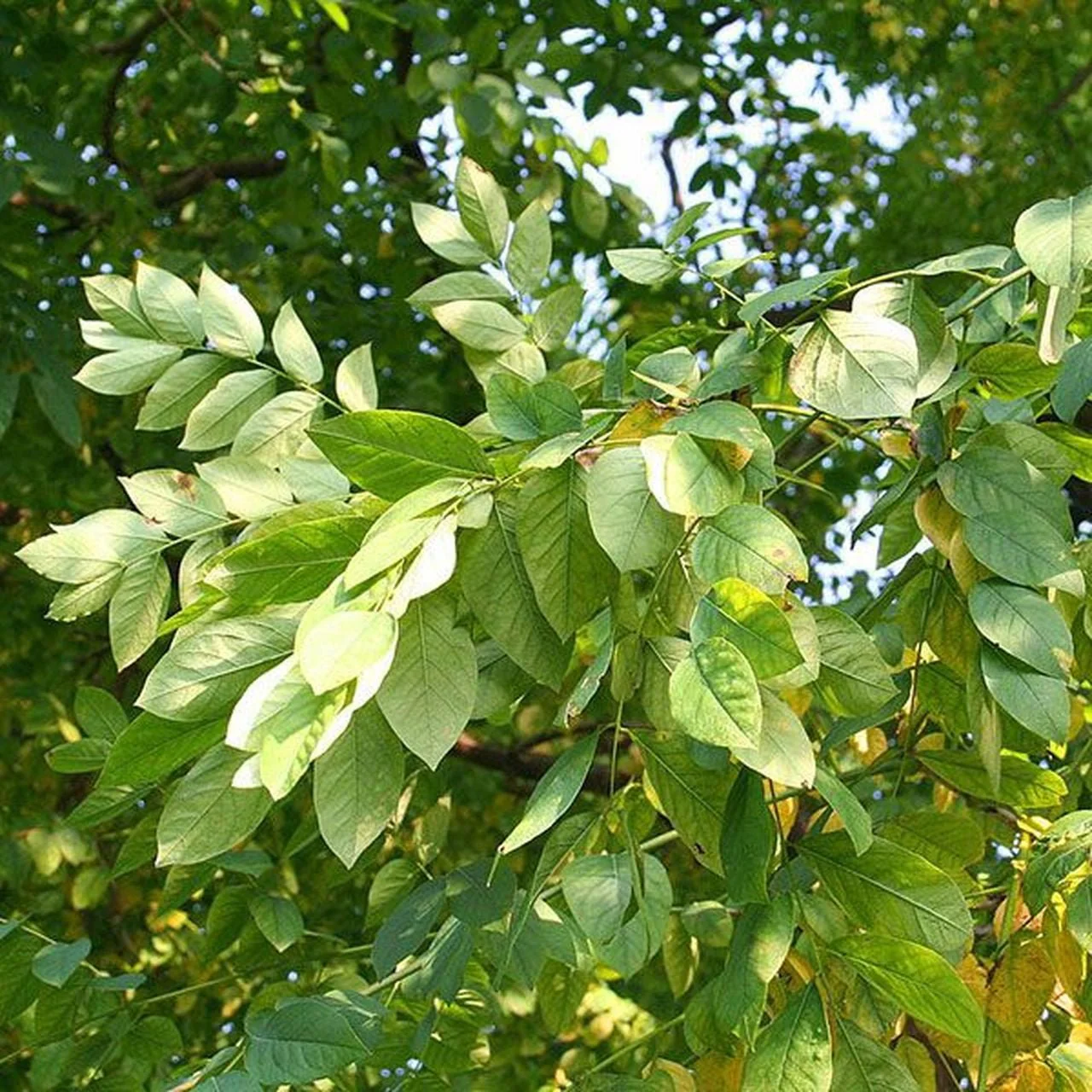
Kentucky Coffeetree (Gymnocladus dioica)
Large, deciduous North American tree
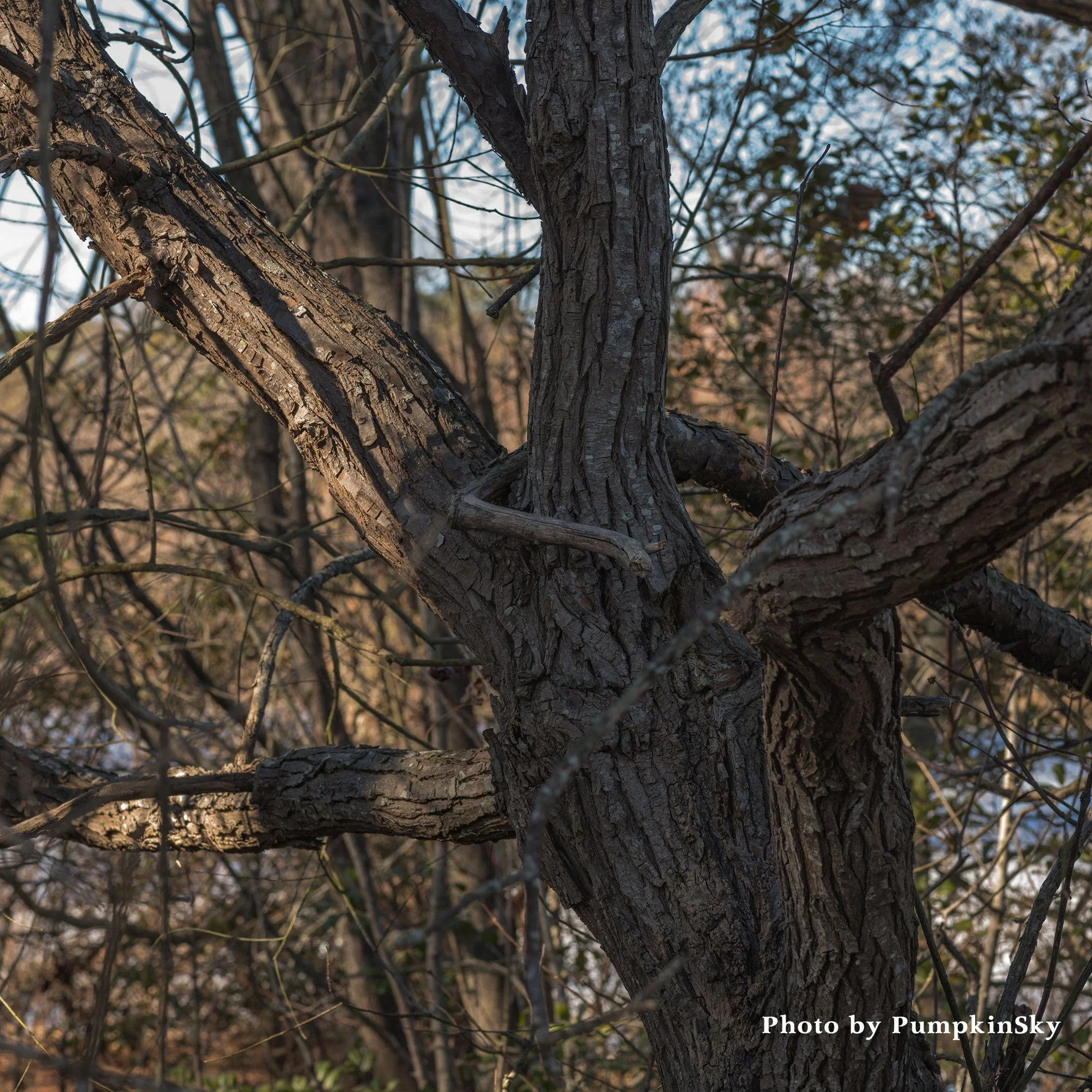
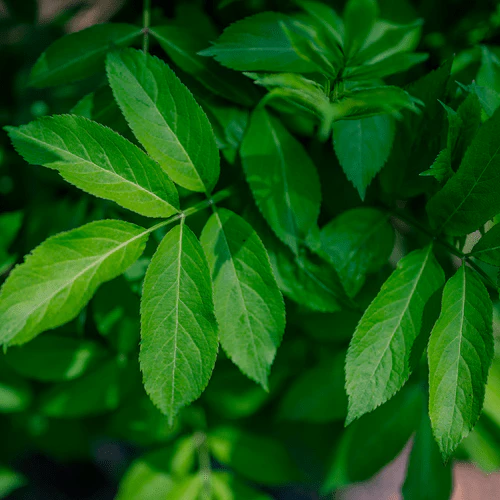
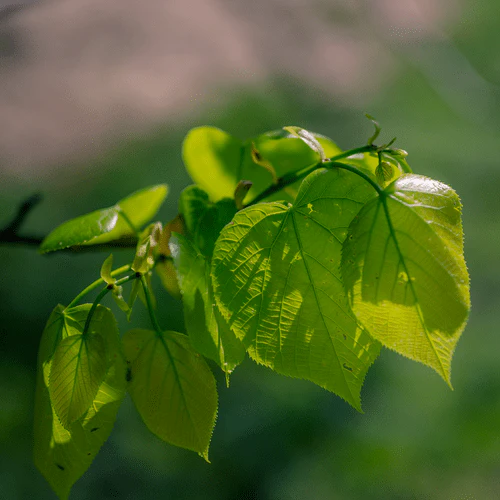
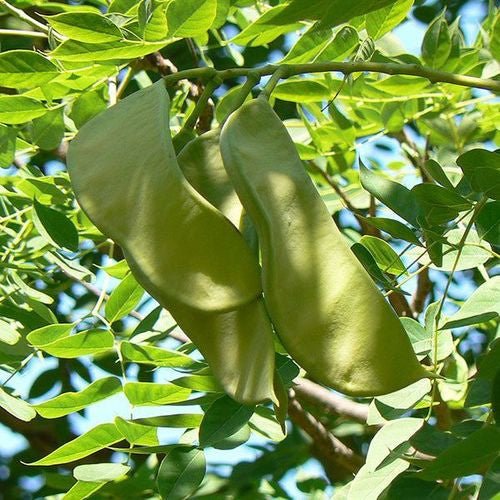
Description: Fine-textured, bluish-green leaves and grayish to dark brown bark with unique, deeply grooved bark pattern; female trees bear large, reddish brown, leathery seed pods, which hang on the tree through the winter
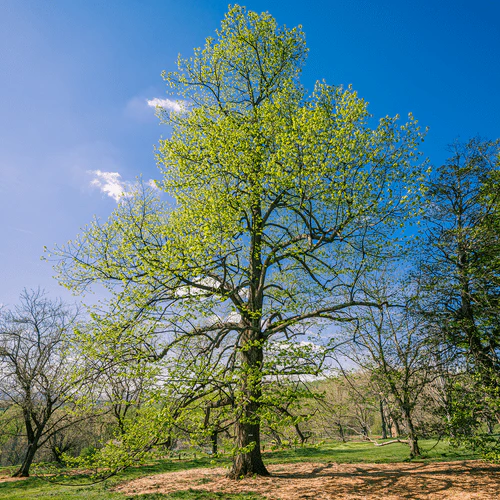
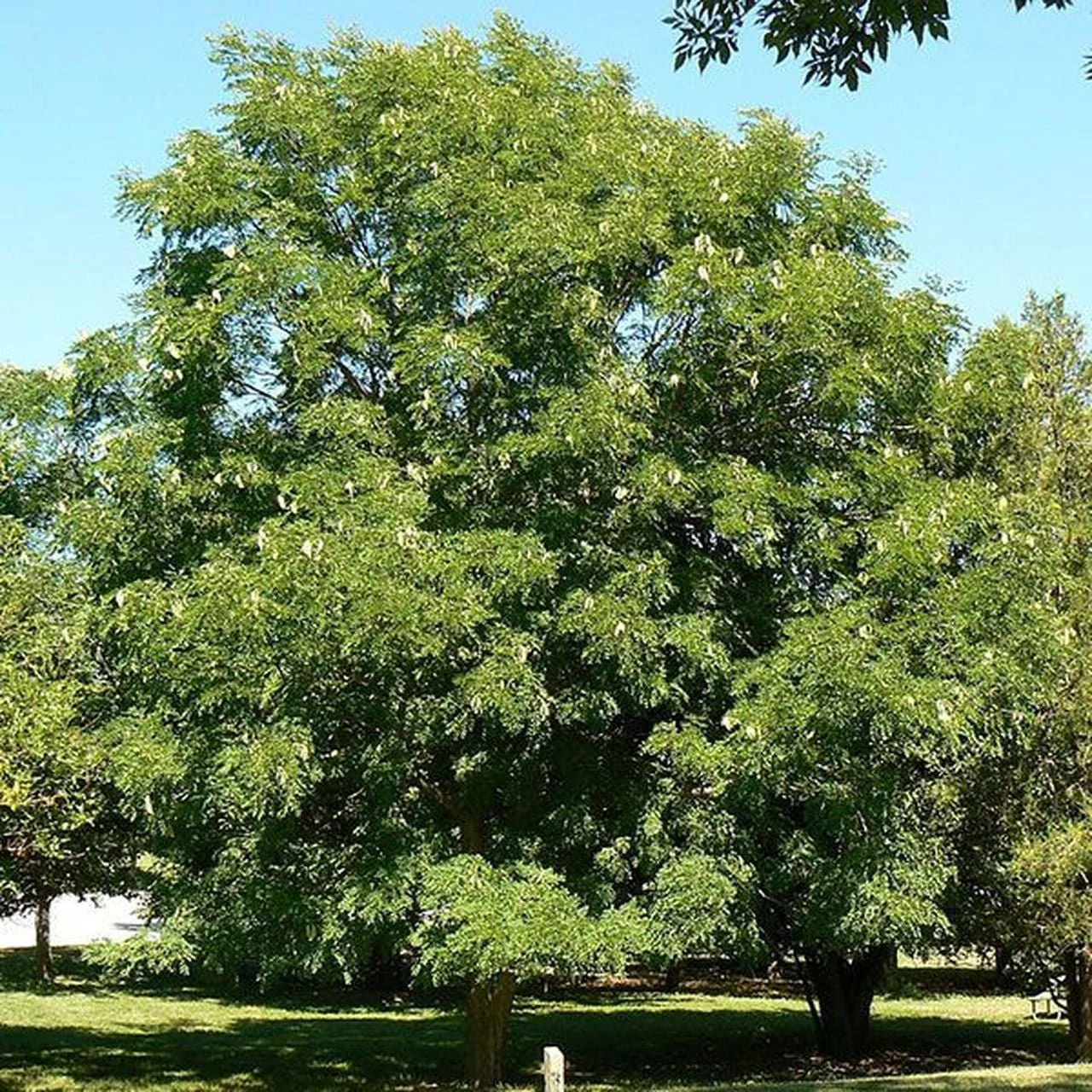
Habit: Slow-growing tree reaching 60-70 feet high and 40-50 feet wide
Culture: Prefers deep, rich, moist soil and full sun, but is adaptable to a wide range of conditions
Hardiness: USDA Zones 3 to 8
Origin: North America
Jefferson documented
Native to eastern North America, the Kentucky Coffeetree was introduced into cultivation before 1748. Early settlers to Kentucky used the unusual seeds as a substitute for coffee, hence its common name. In his Garden Book, Thomas Jefferson lists “Kentuckey coffee” in his “objects for the garden” for 1794, and in 1810 he planted “Kentucky locust” seeds in the new nursery. Today a large specimen stands along Mulberry Row above the Monticello Kitchen Garden.
This species is dioecious, meaning a male and a female plant are both required for pollination and fruit set. Our plants are unsexed due to their immaturity; we recommend purchasing more than one plant to increase the likelihood of fruit production, including berries and seeds.
Original: $29.95
-65%$29.95
$10.48Product Information
Product Information
Shipping & Returns
Shipping & Returns
Description
Large, deciduous North American tree
Description: Fine-textured, bluish-green leaves and grayish to dark brown bark with unique, deeply grooved bark pattern; female trees bear large, reddish brown, leathery seed pods, which hang on the tree through the winter
Habit: Slow-growing tree reaching 60-70 feet high and 40-50 feet wide
Culture: Prefers deep, rich, moist soil and full sun, but is adaptable to a wide range of conditions
Hardiness: USDA Zones 3 to 8
Origin: North America
Jefferson documented
Native to eastern North America, the Kentucky Coffeetree was introduced into cultivation before 1748. Early settlers to Kentucky used the unusual seeds as a substitute for coffee, hence its common name. In his Garden Book, Thomas Jefferson lists “Kentuckey coffee” in his “objects for the garden” for 1794, and in 1810 he planted “Kentucky locust” seeds in the new nursery. Today a large specimen stands along Mulberry Row above the Monticello Kitchen Garden.
This species is dioecious, meaning a male and a female plant are both required for pollination and fruit set. Our plants are unsexed due to their immaturity; we recommend purchasing more than one plant to increase the likelihood of fruit production, including berries and seeds.