American Black Elderberry (Sambucus canadensis)
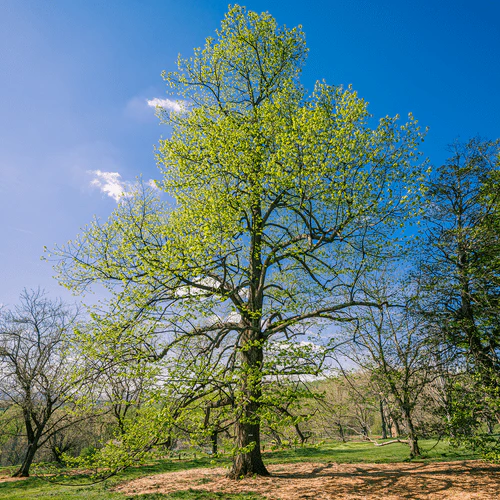
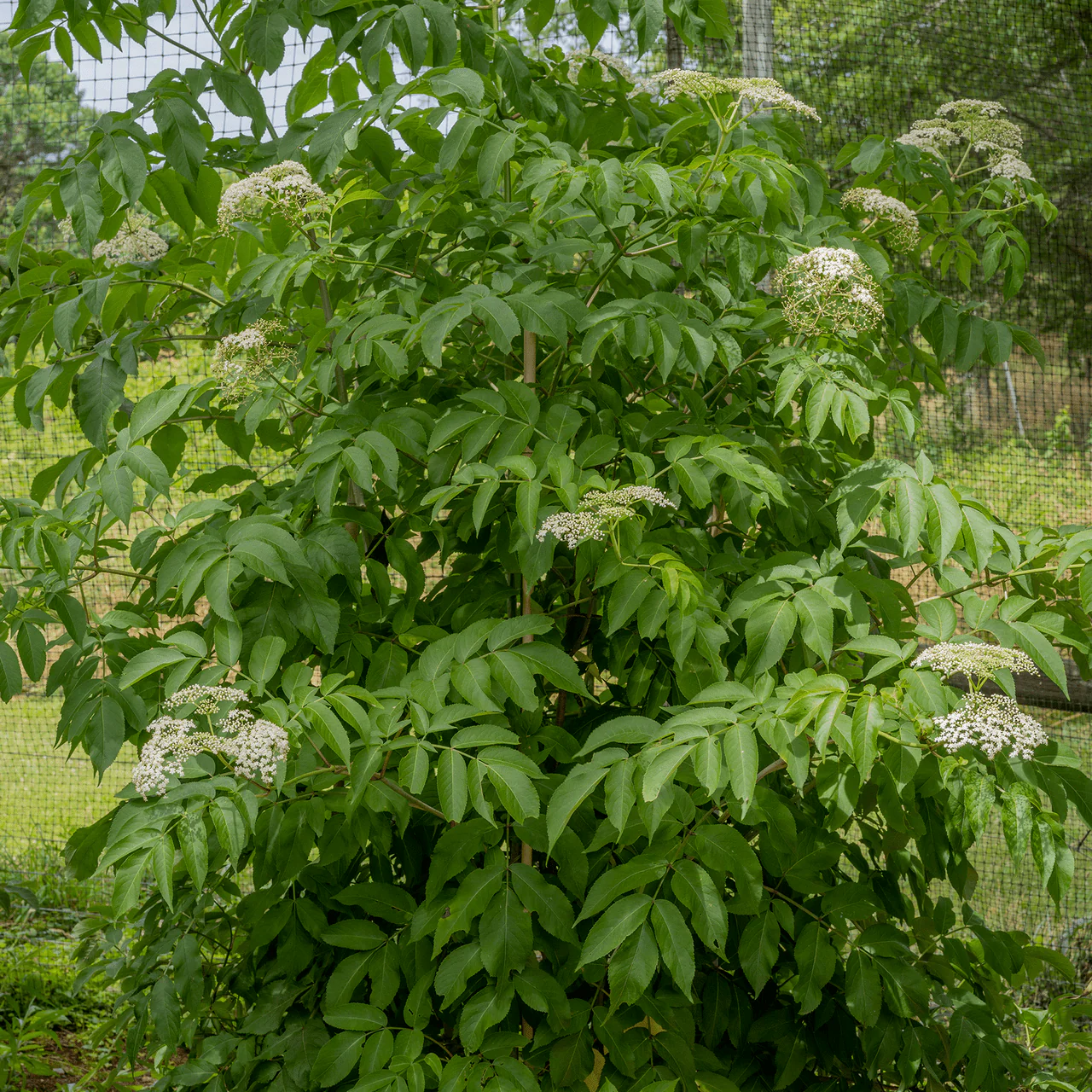
Deciduous, North American shrub
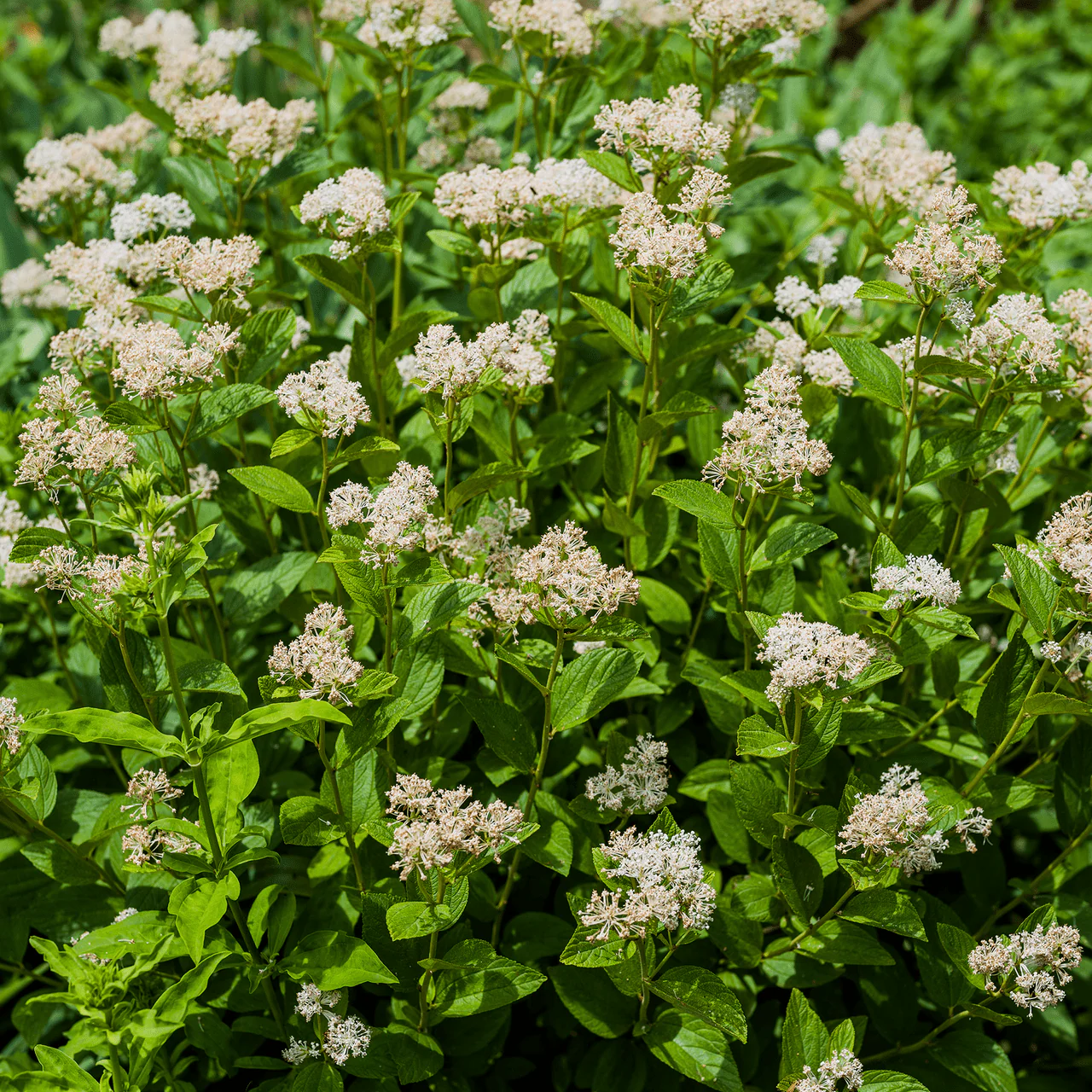
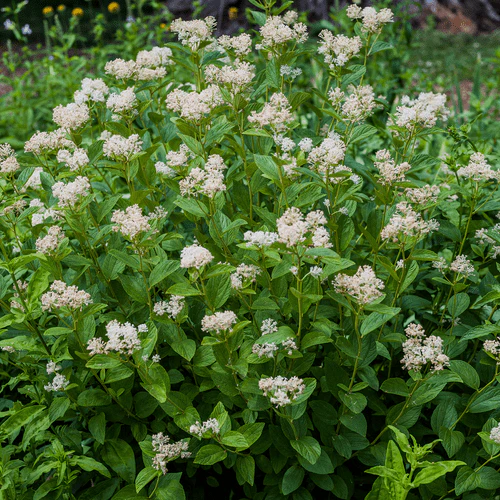
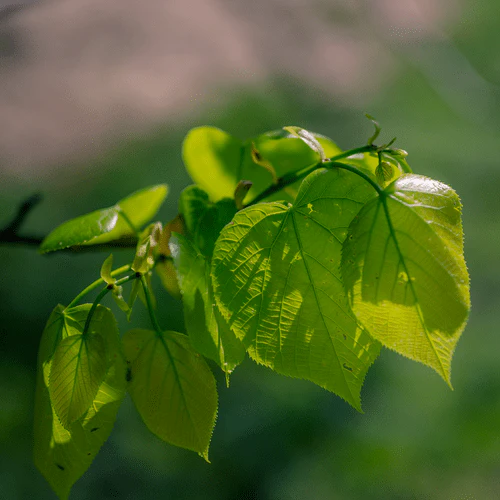
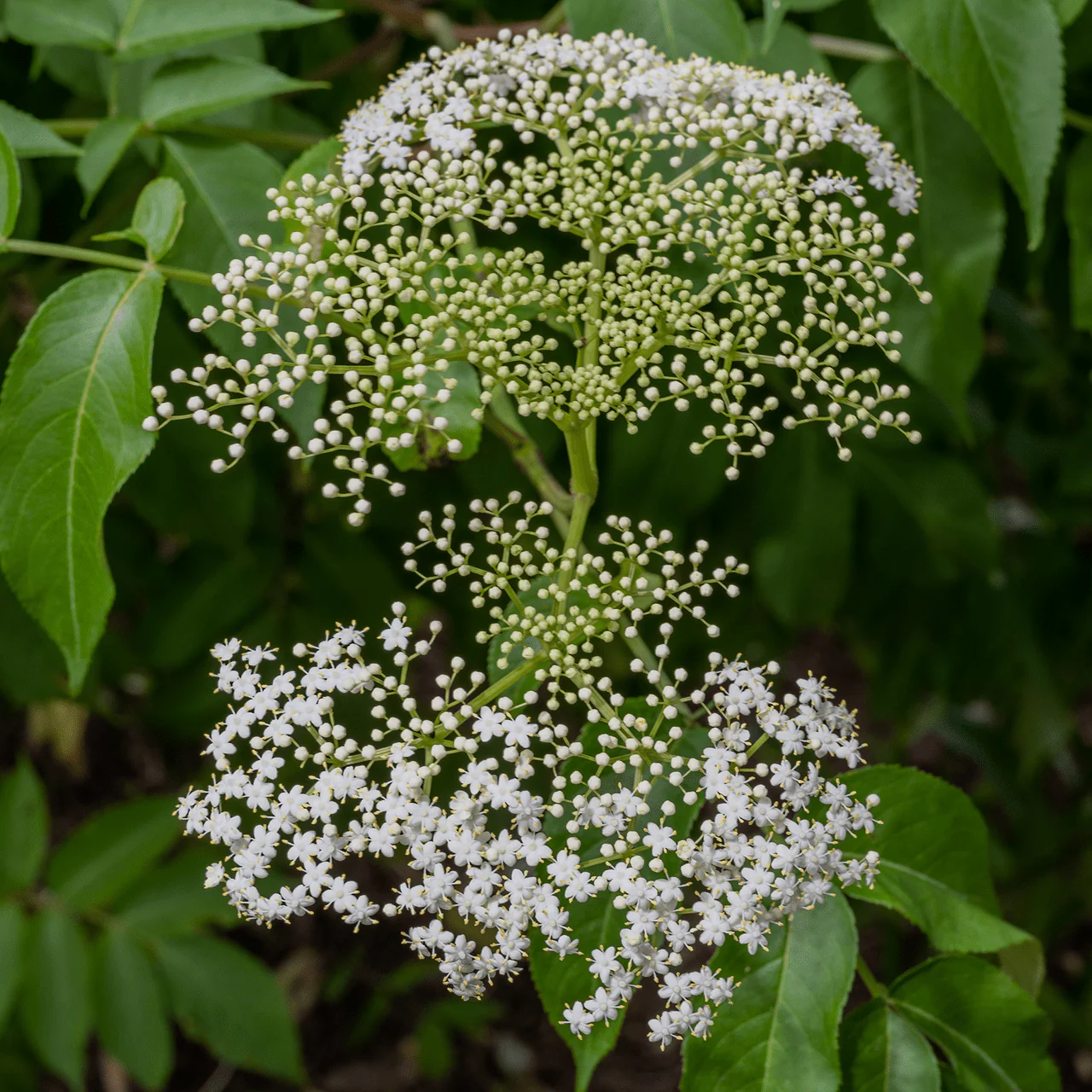
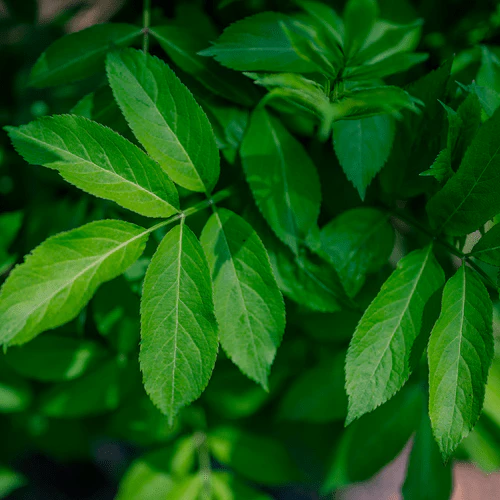
Large clusters of fragrant, creamy white flowers in early summer followed by edible, blue-black berries; distinctive, pinnately-compound leaves
Origin: North America
Native to moist regions in much of North America, Sambucus canadensis was included in Bartram’s Catalogue of American Trees, Shrubs, and Herbacious Plants (1783) as “Sambucus, Elder.” Thomas Jefferson may have been referring to the American Black Elderberry in his Notes on the State of Virginia (1780s); claiming to “confine [him]self to native plants,” Jefferson included “Elder. Sambucus nigra.” in a list of ornamental plants, possibly neglecting to add the subspecies canadensis which distinguishes this native from its close European relative, Sambucus nigra. The lemon-scented flowers are edible and also attract bees and butterflies, while the late summer fruits can be made into jams and jellies, as well as elderberry wine and syrup.
American Black Elderberry (Sambucus canadensis) arrives in a 2 gallon pot.
Original: $29.95
-65%$29.95
$10.48Product Information
Product Information
Shipping & Returns
Shipping & Returns
Description
Deciduous, North American shrub
Large clusters of fragrant, creamy white flowers in early summer followed by edible, blue-black berries; distinctive, pinnately-compound leaves
Origin: North America
Native to moist regions in much of North America, Sambucus canadensis was included in Bartram’s Catalogue of American Trees, Shrubs, and Herbacious Plants (1783) as “Sambucus, Elder.” Thomas Jefferson may have been referring to the American Black Elderberry in his Notes on the State of Virginia (1780s); claiming to “confine [him]self to native plants,” Jefferson included “Elder. Sambucus nigra.” in a list of ornamental plants, possibly neglecting to add the subspecies canadensis which distinguishes this native from its close European relative, Sambucus nigra. The lemon-scented flowers are edible and also attract bees and butterflies, while the late summer fruits can be made into jams and jellies, as well as elderberry wine and syrup.
American Black Elderberry (Sambucus canadensis) arrives in a 2 gallon pot.