Bare Root American Hophornbeam (Ostrya virginiana)
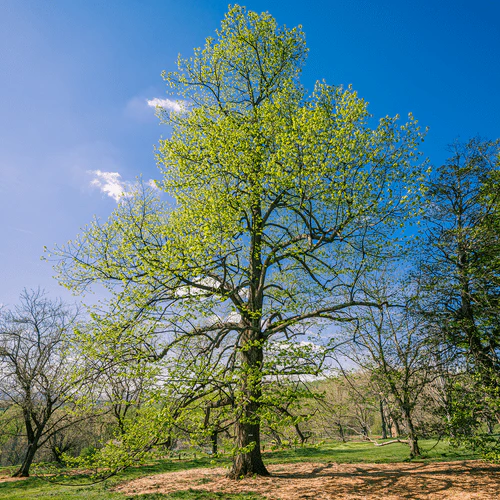
Hardy, deciduous, Eastern North American understory tree
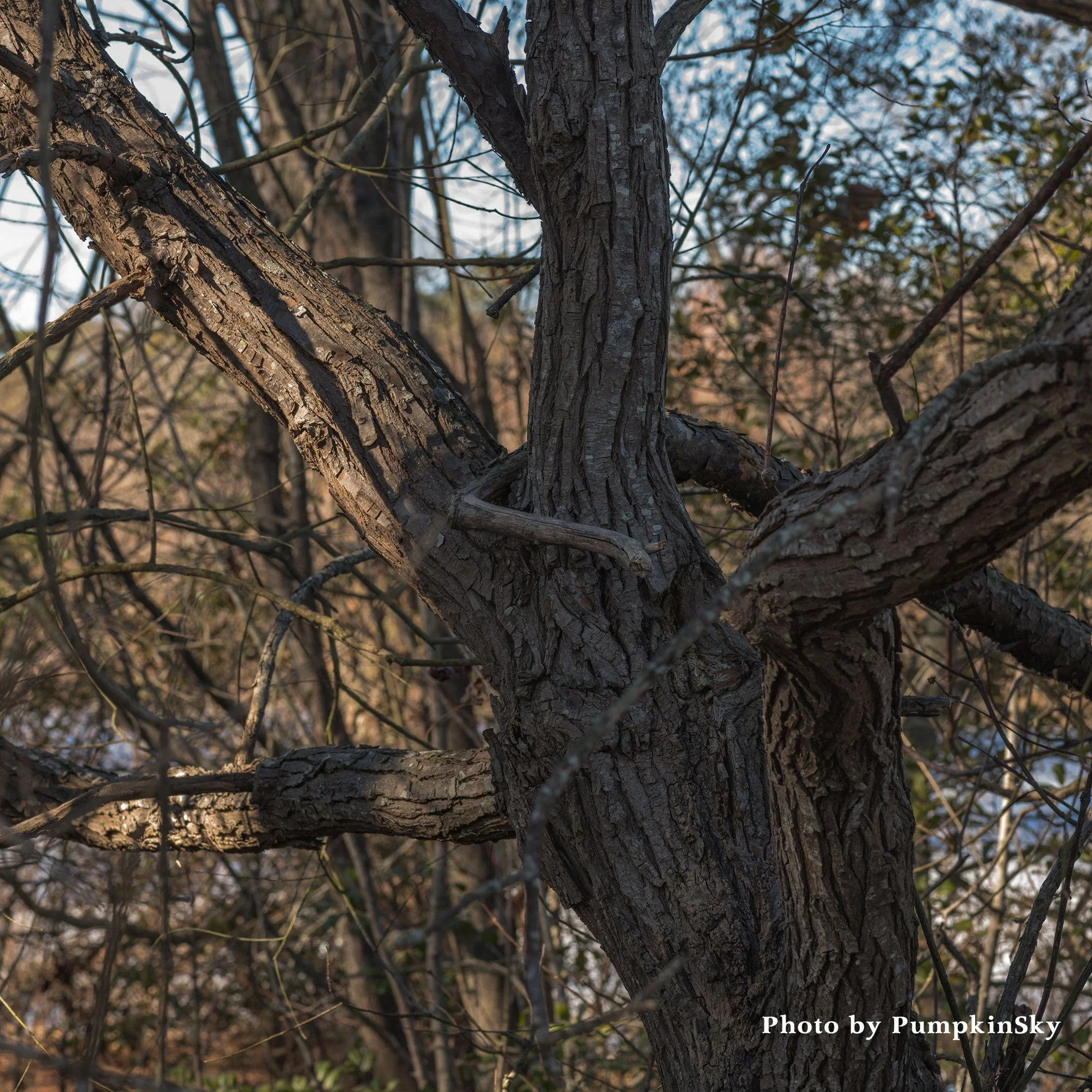
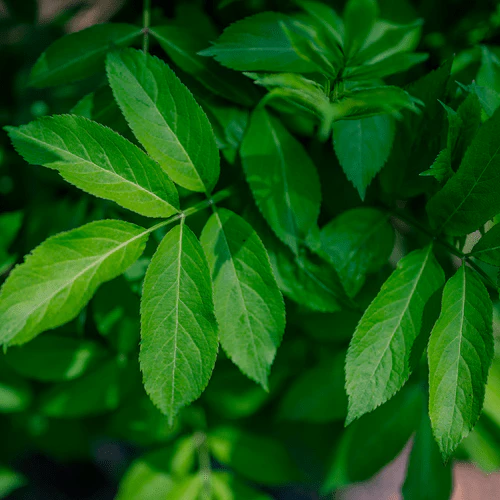
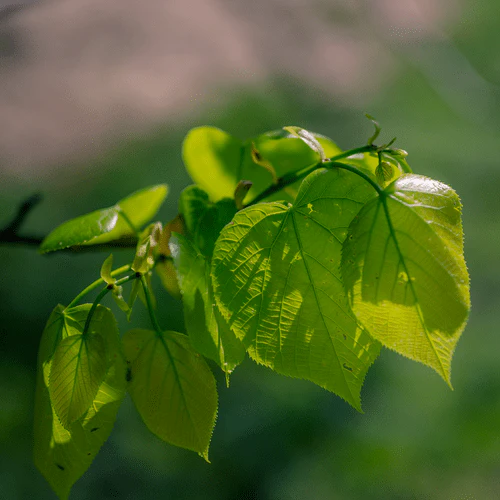
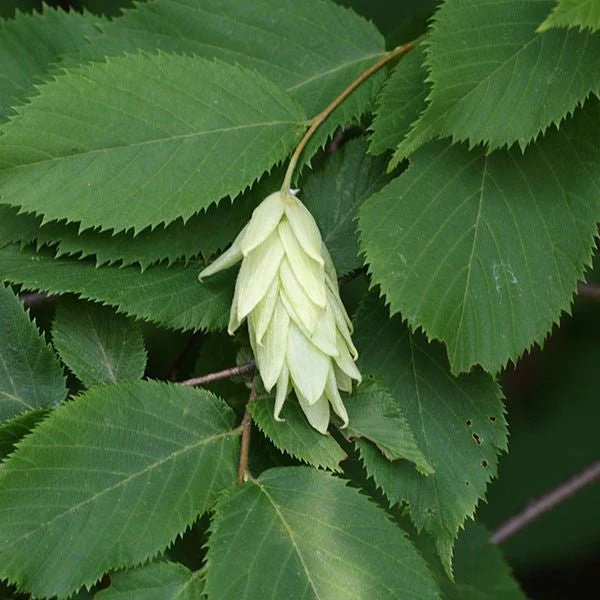
Reddish-brown male flowers and greenish female flowers appear in separate catkins on the same tree in spring; female flowers followed by drooping, seed-bearing pods resembling hops; bark is thin, greyish brown, and flaky; dainty, beech-like leaves turn a dull gold in autumn
Origin: Eastern United States
The American Hophornbeam is a native species occurring in dry soils or rocky slopes, upland woods, and bluffs from Cape Breton Island (Nova Scotia) to Florida, Texas, and Mexico. It is a member of the Birch family, and related to Alders, Hazelnuts, and Ironwood (Carpinus). In a memorandum written about 1808-09 and likely left for his overseer Edmund Bacon, Thomas Jefferson instructed “plant horn beams & Elms” on the south side of the first Roundabout road. It is not clear if he meant Carpinus or Ostrya, but both species have extremely hard, heavy heartwood and are disease resistant and tolerant of deer, drought, and heavy, clay soil.
This plant will ship bare root. Two year seedling is approximately 2’ tall.
Original: $8.00
-65%$8.00
$2.80Product Information
Product Information
Shipping & Returns
Shipping & Returns
Description
Hardy, deciduous, Eastern North American understory tree
Reddish-brown male flowers and greenish female flowers appear in separate catkins on the same tree in spring; female flowers followed by drooping, seed-bearing pods resembling hops; bark is thin, greyish brown, and flaky; dainty, beech-like leaves turn a dull gold in autumn
Origin: Eastern United States
The American Hophornbeam is a native species occurring in dry soils or rocky slopes, upland woods, and bluffs from Cape Breton Island (Nova Scotia) to Florida, Texas, and Mexico. It is a member of the Birch family, and related to Alders, Hazelnuts, and Ironwood (Carpinus). In a memorandum written about 1808-09 and likely left for his overseer Edmund Bacon, Thomas Jefferson instructed “plant horn beams & Elms” on the south side of the first Roundabout road. It is not clear if he meant Carpinus or Ostrya, but both species have extremely hard, heavy heartwood and are disease resistant and tolerant of deer, drought, and heavy, clay soil.
This plant will ship bare root. Two year seedling is approximately 2’ tall.