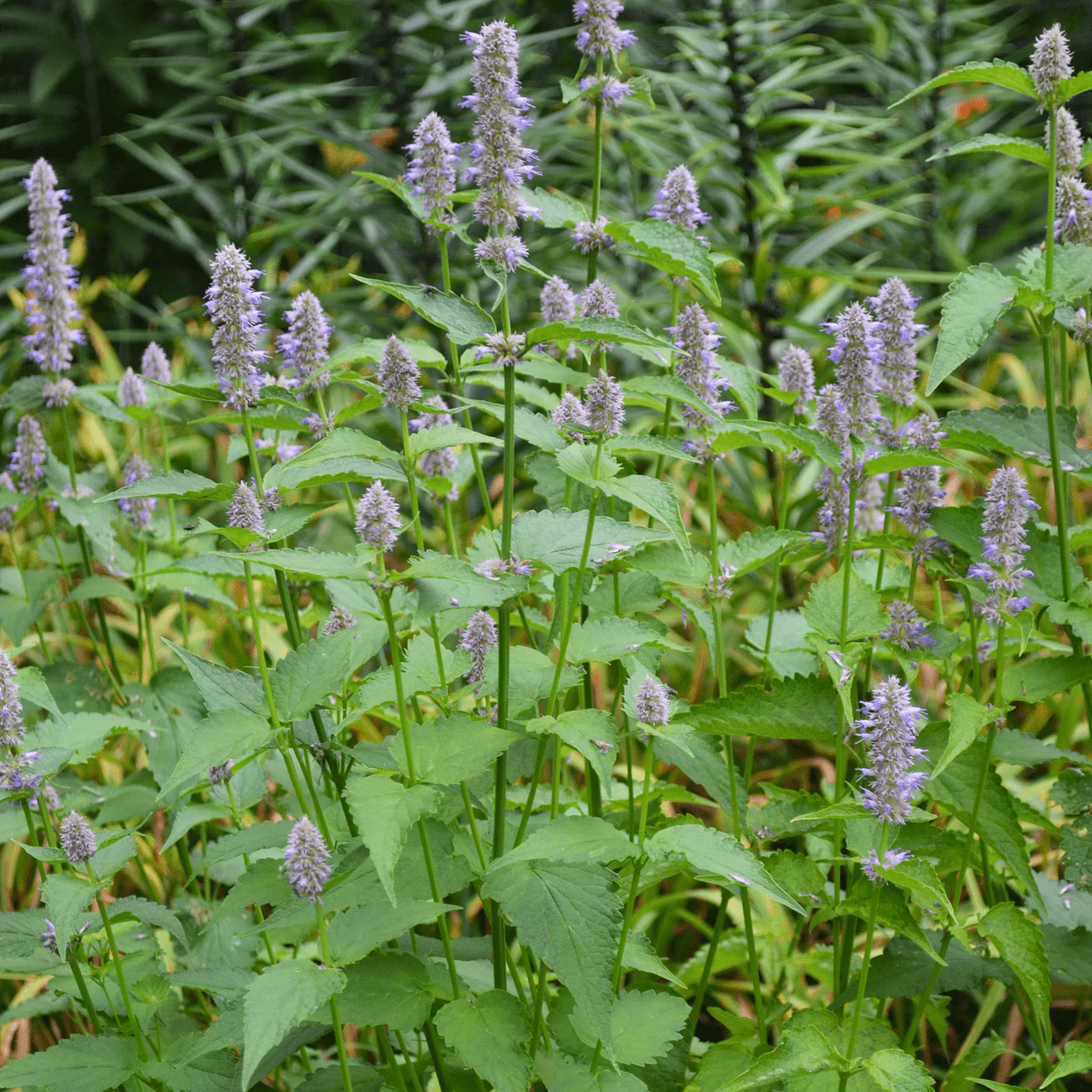
Anise Hyssop (Agastache foeniculum)
Hardy, North American perennial
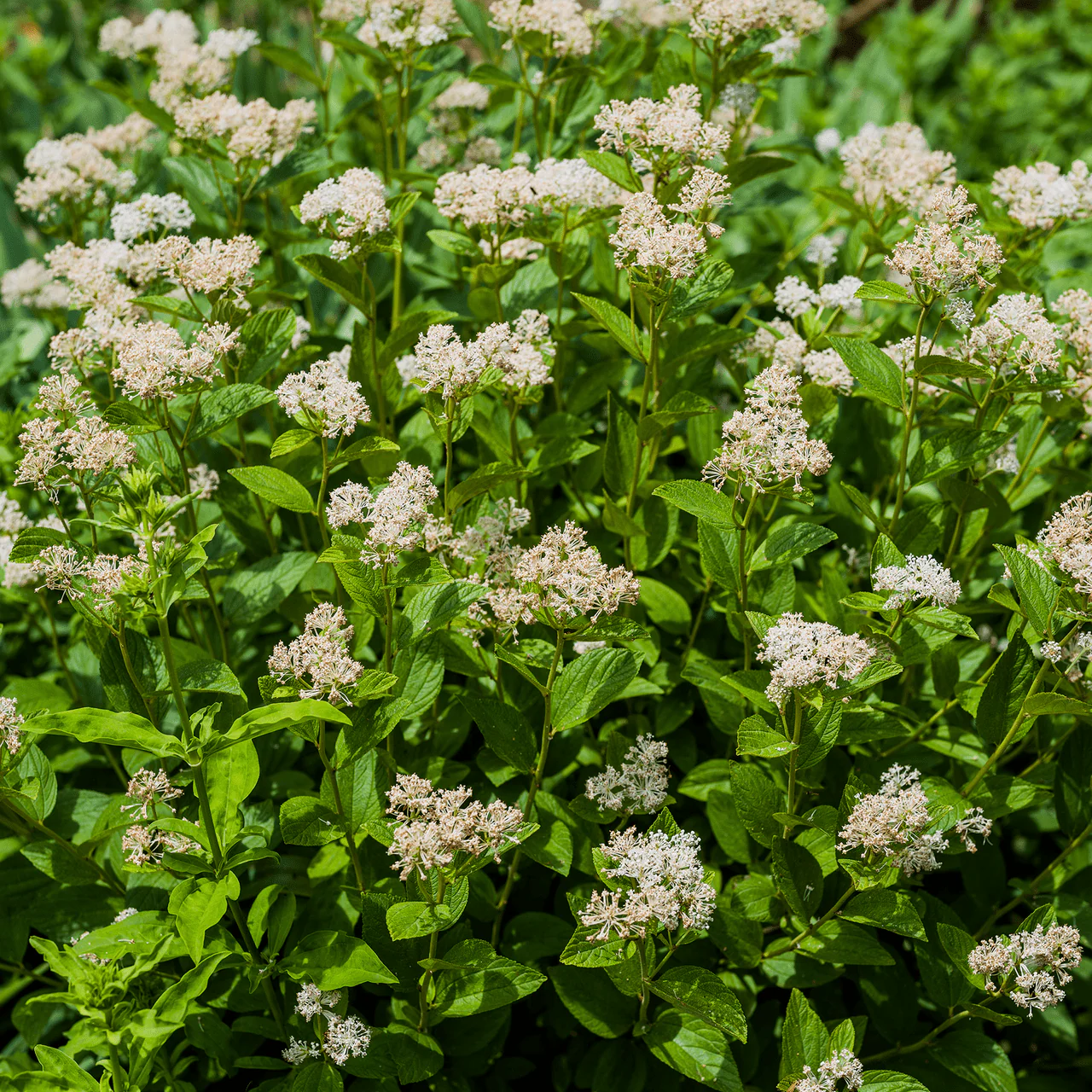
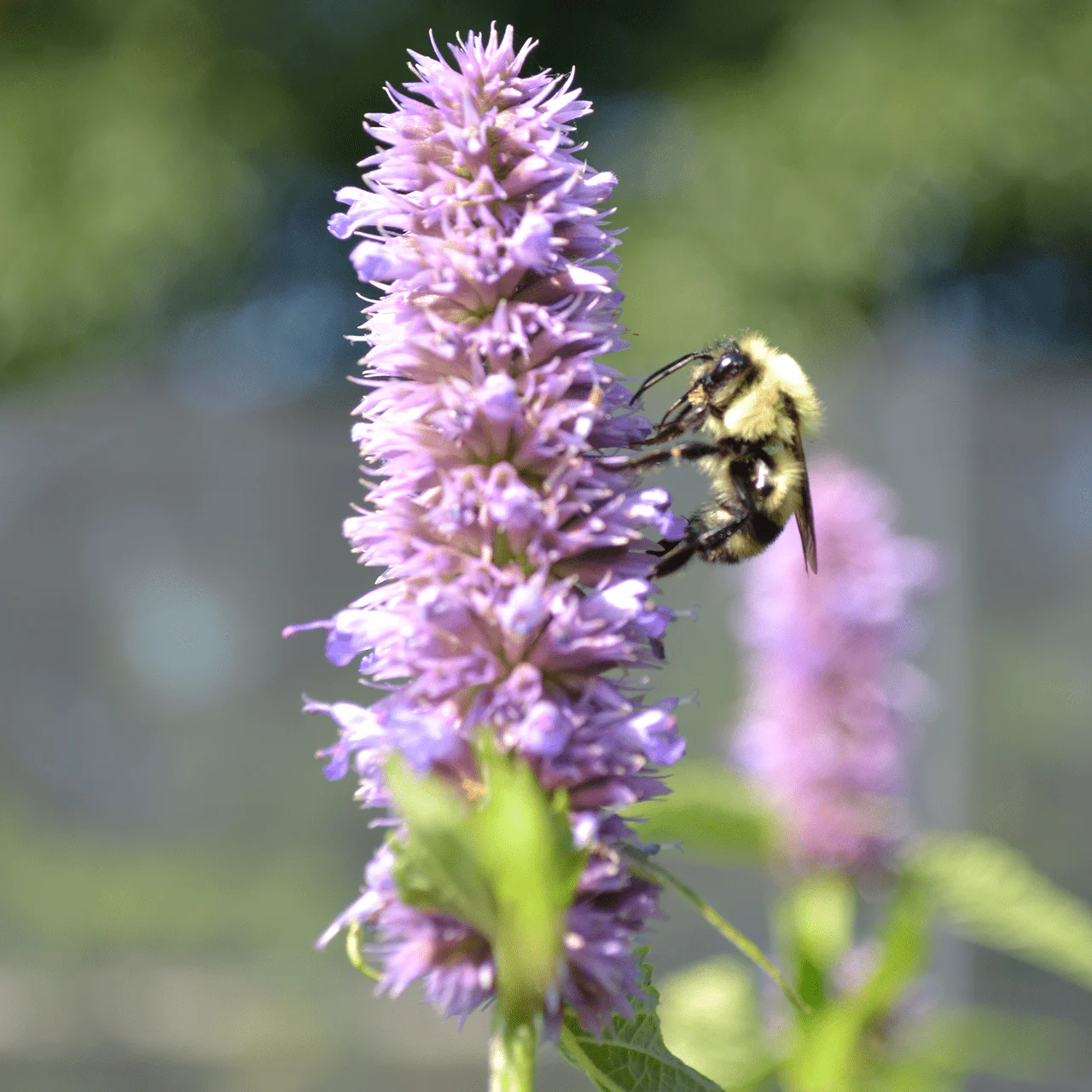
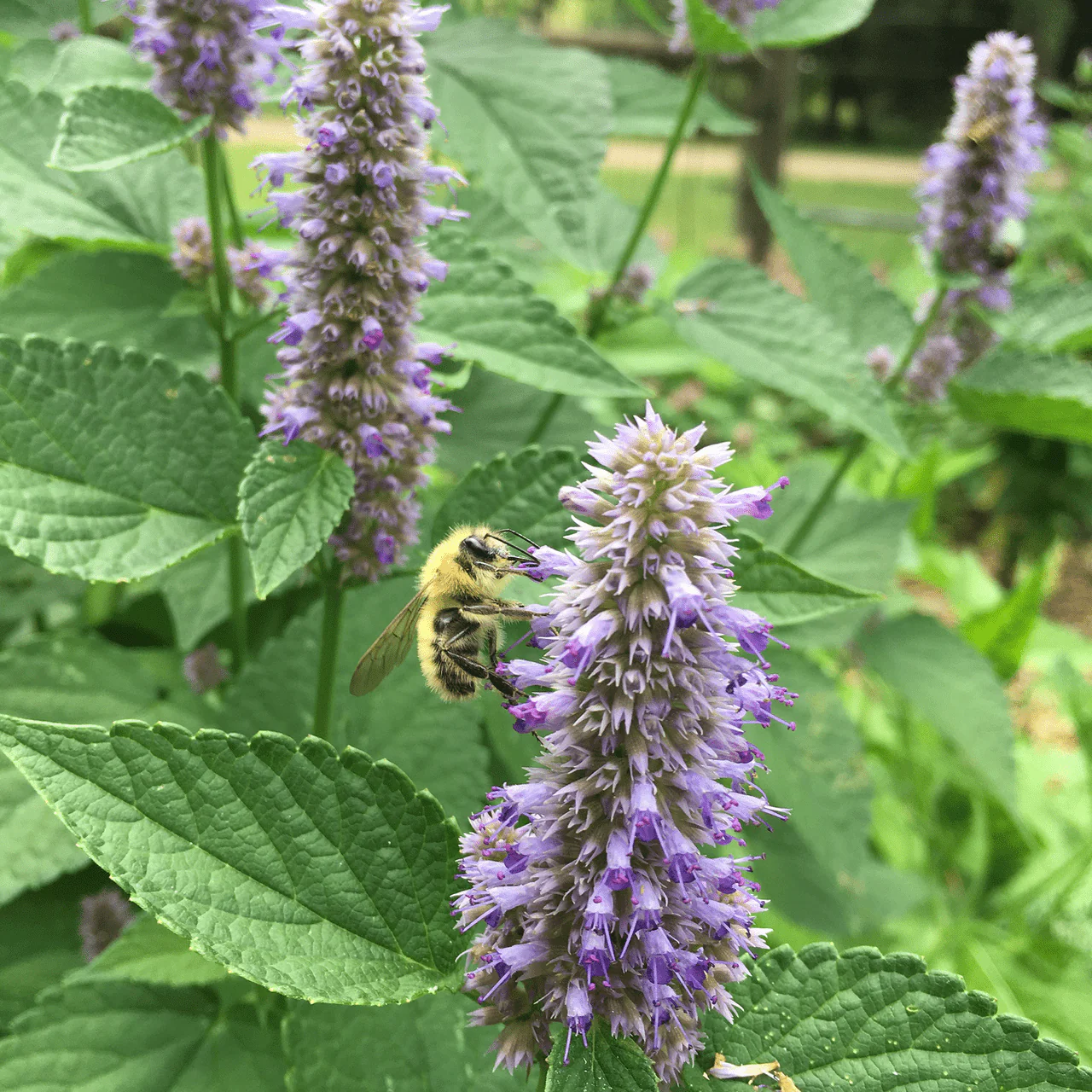
Numerous dense spikes of tiny, tubular purple flowers for several months in summer; anise-scented foliage; edible flowers
Origin: North America
A member of the mint family, Agastache foeniculum is native to the northern and central plains of North America. Native Americans in these regions used the flowers and leaves of this Agastache to make a tea for respiratory complaints. Americans began to use Anise Hyssop by the early 1800s, and the plant was grown in English gardens by 1826. Highly attractive to bees, a light, fragrant honey is made from Anise Hyssop. The botanical name is from the Greek agan, meaning 'very much,' and stachys, meaning 'ear of wheat,' while foeniculum is Latin for 'hay'.
Arrives in a 2.5" square pot.
Product Information
Product Information
Shipping & Returns
Shipping & Returns
Description
Hardy, North American perennial
Numerous dense spikes of tiny, tubular purple flowers for several months in summer; anise-scented foliage; edible flowers
Origin: North America
A member of the mint family, Agastache foeniculum is native to the northern and central plains of North America. Native Americans in these regions used the flowers and leaves of this Agastache to make a tea for respiratory complaints. Americans began to use Anise Hyssop by the early 1800s, and the plant was grown in English gardens by 1826. Highly attractive to bees, a light, fragrant honey is made from Anise Hyssop. The botanical name is from the Greek agan, meaning 'very much,' and stachys, meaning 'ear of wheat,' while foeniculum is Latin for 'hay'.
Arrives in a 2.5" square pot.