Yellow Arikara Bean Seeds (Phaseolus vulgaris cv.)
Harvested from the gardens at Monticello.
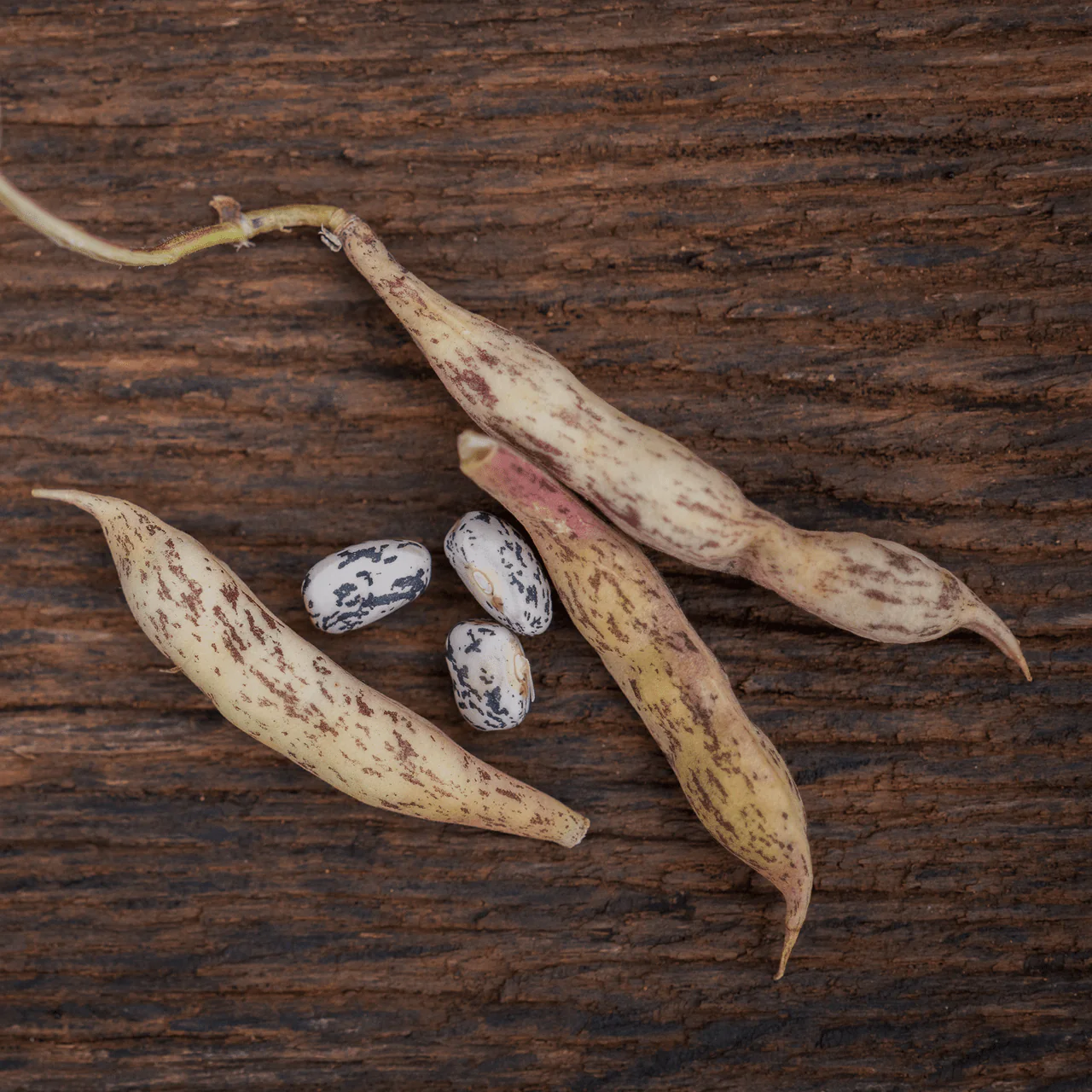
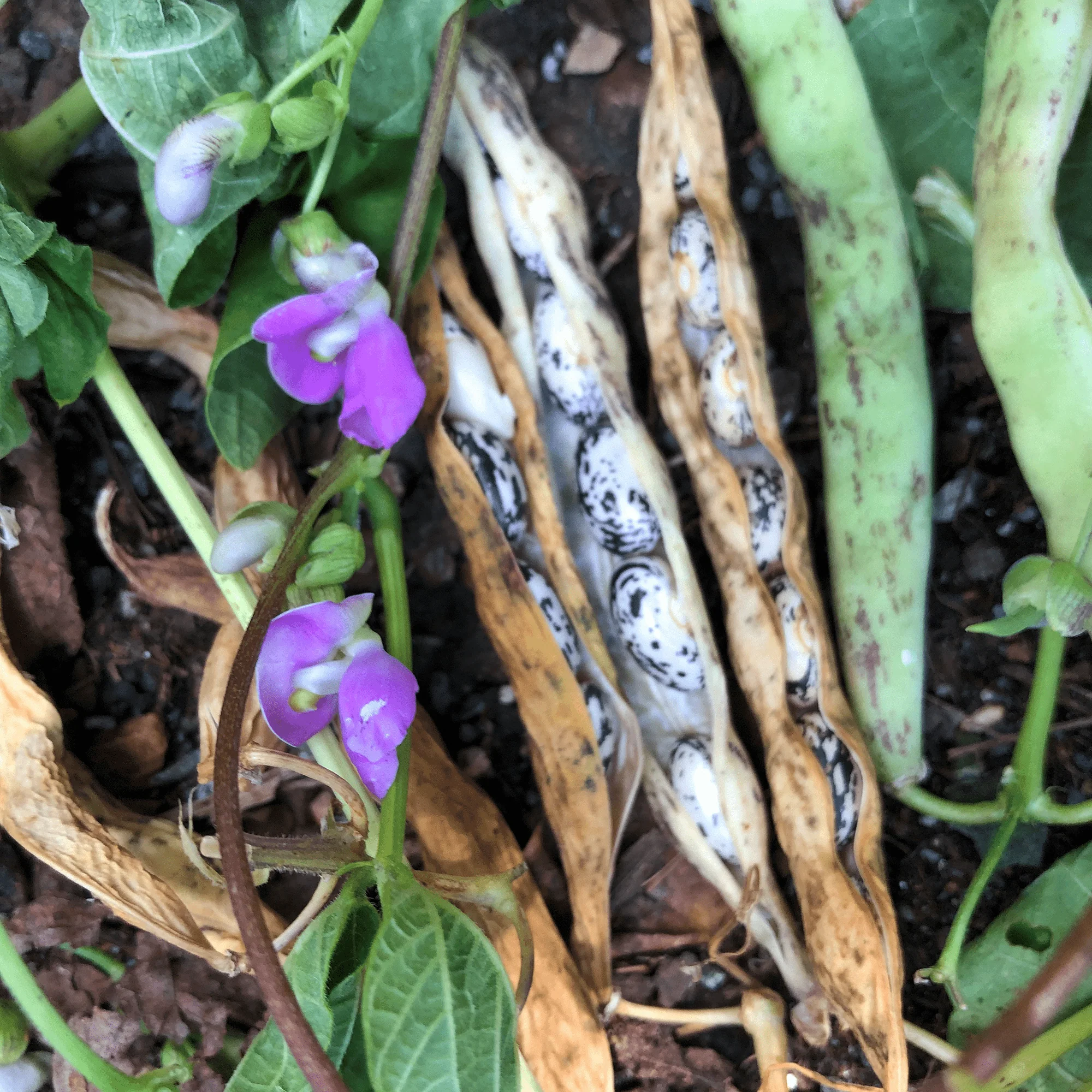
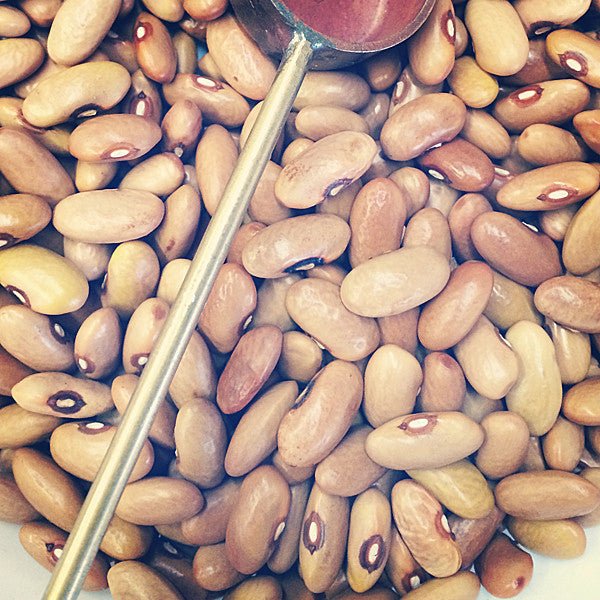
Arikara Beans were named for the Dakota Arikara tribe encountered by Lewis and Clark during their "Voyage of Discovery." Dried Arikara beans helped sustain the members of the Expedition through the arduous Fort Mandan winter of 1805. They were known as 'Ricara' beans to Thomas Jefferson, who was likely the first to grow them in eastern North America. He wrote that it "is one of the most excellent we have had: I have cultivated them plentifully for the table two years." Native Americans developed this bush bean variety to produce in the short growing season of the northern plains and Jefferson referred to them as "forward" because they bore as early as July 1 in 1809. Jefferson-documented: This plant was documented by Thomas Jefferson in his Garden Book, Notes on the State of Virginia, or other writings.
Direct sow seeds two weeks before the last spring frost to avoid hot, humid temperatures. Beans can be harvested young as "snaps," or dried for stews. Approximately 10 seeds per packet.
Product Information
Product Information
Shipping & Returns
Shipping & Returns
Description
Harvested from the gardens at Monticello.
Arikara Beans were named for the Dakota Arikara tribe encountered by Lewis and Clark during their "Voyage of Discovery." Dried Arikara beans helped sustain the members of the Expedition through the arduous Fort Mandan winter of 1805. They were known as 'Ricara' beans to Thomas Jefferson, who was likely the first to grow them in eastern North America. He wrote that it "is one of the most excellent we have had: I have cultivated them plentifully for the table two years." Native Americans developed this bush bean variety to produce in the short growing season of the northern plains and Jefferson referred to them as "forward" because they bore as early as July 1 in 1809. Jefferson-documented: This plant was documented by Thomas Jefferson in his Garden Book, Notes on the State of Virginia, or other writings.
Direct sow seeds two weeks before the last spring frost to avoid hot, humid temperatures. Beans can be harvested young as "snaps," or dried for stews. Approximately 10 seeds per packet.