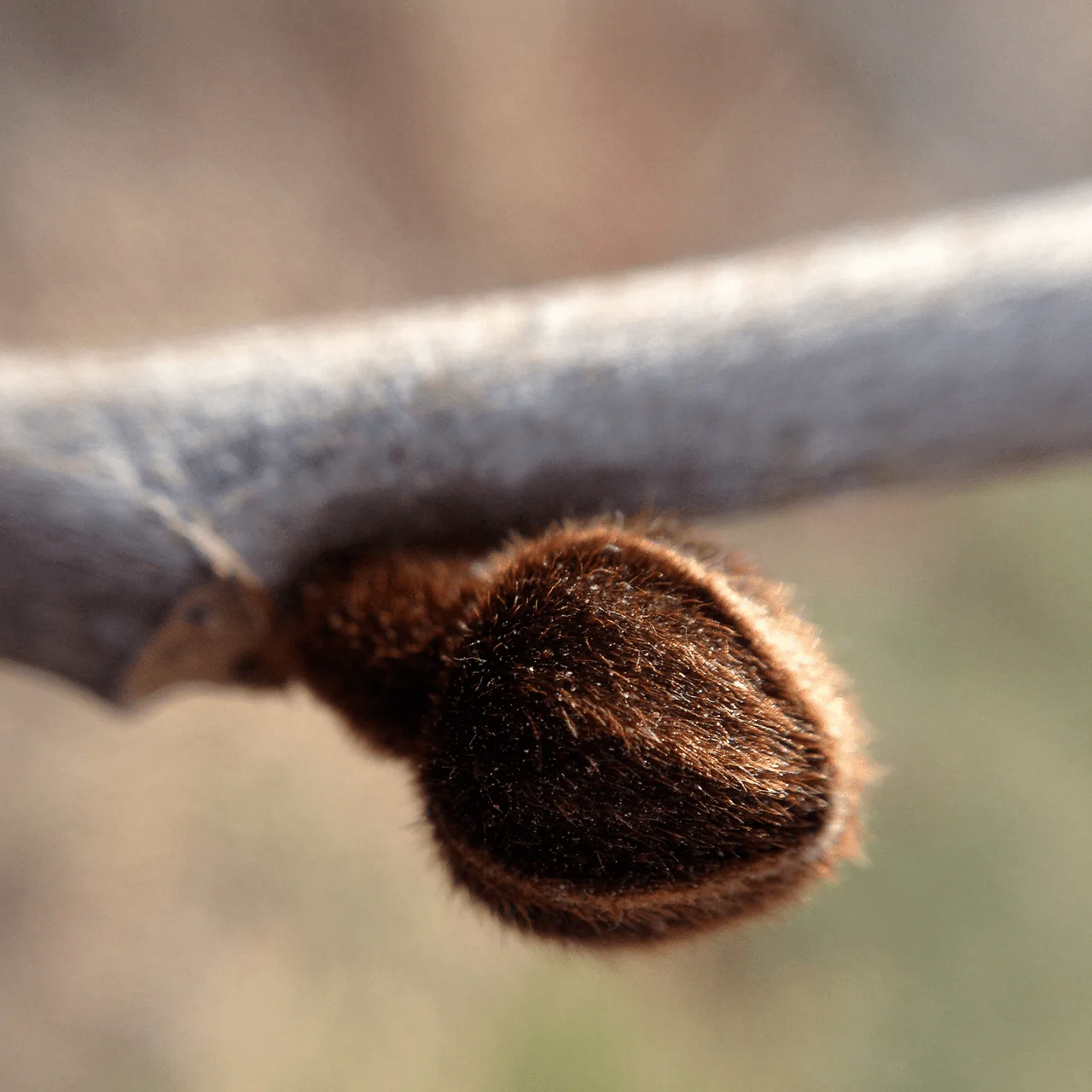
Bare Root Pawpaw (Asimina triloba)
North American large shrub or small deciduous tree
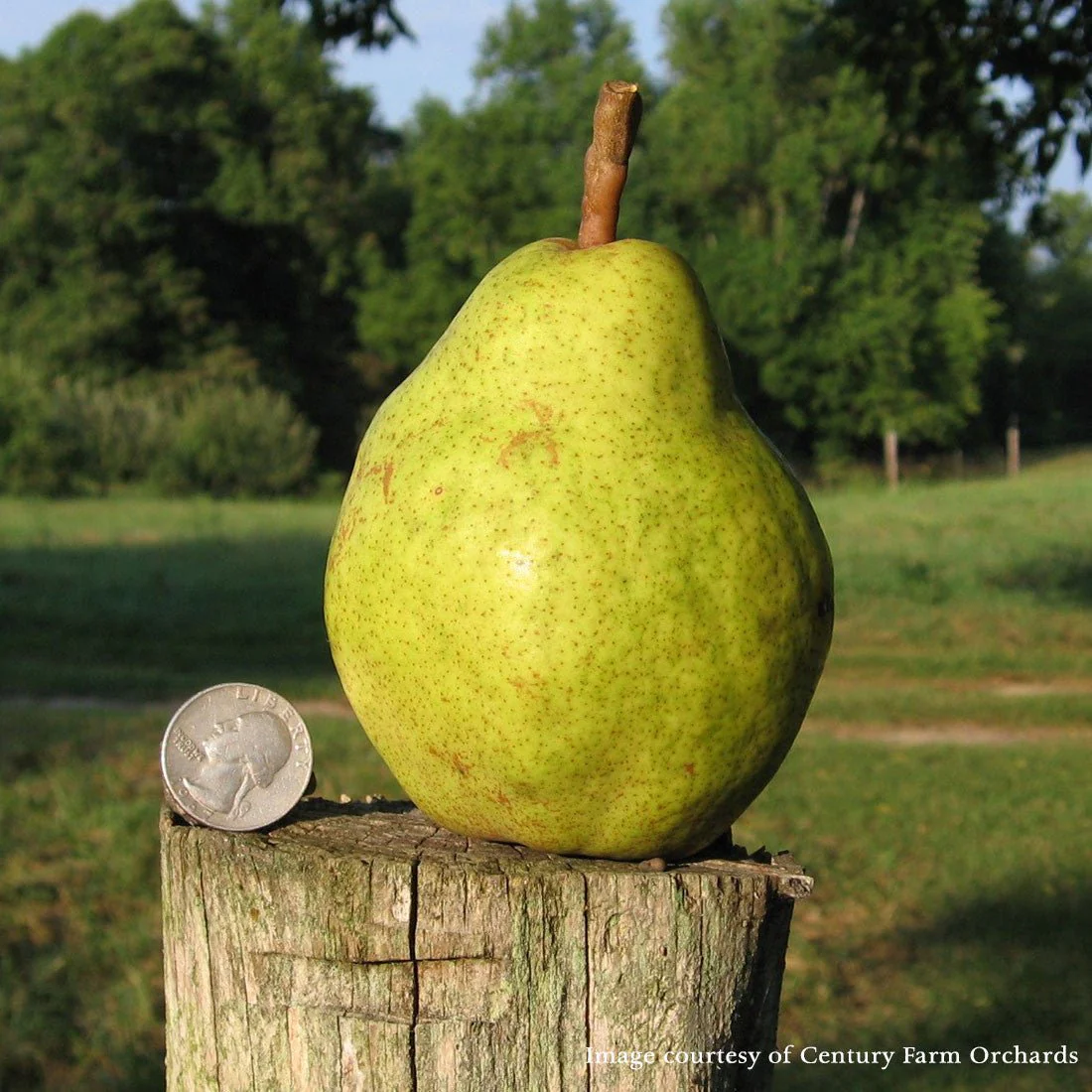
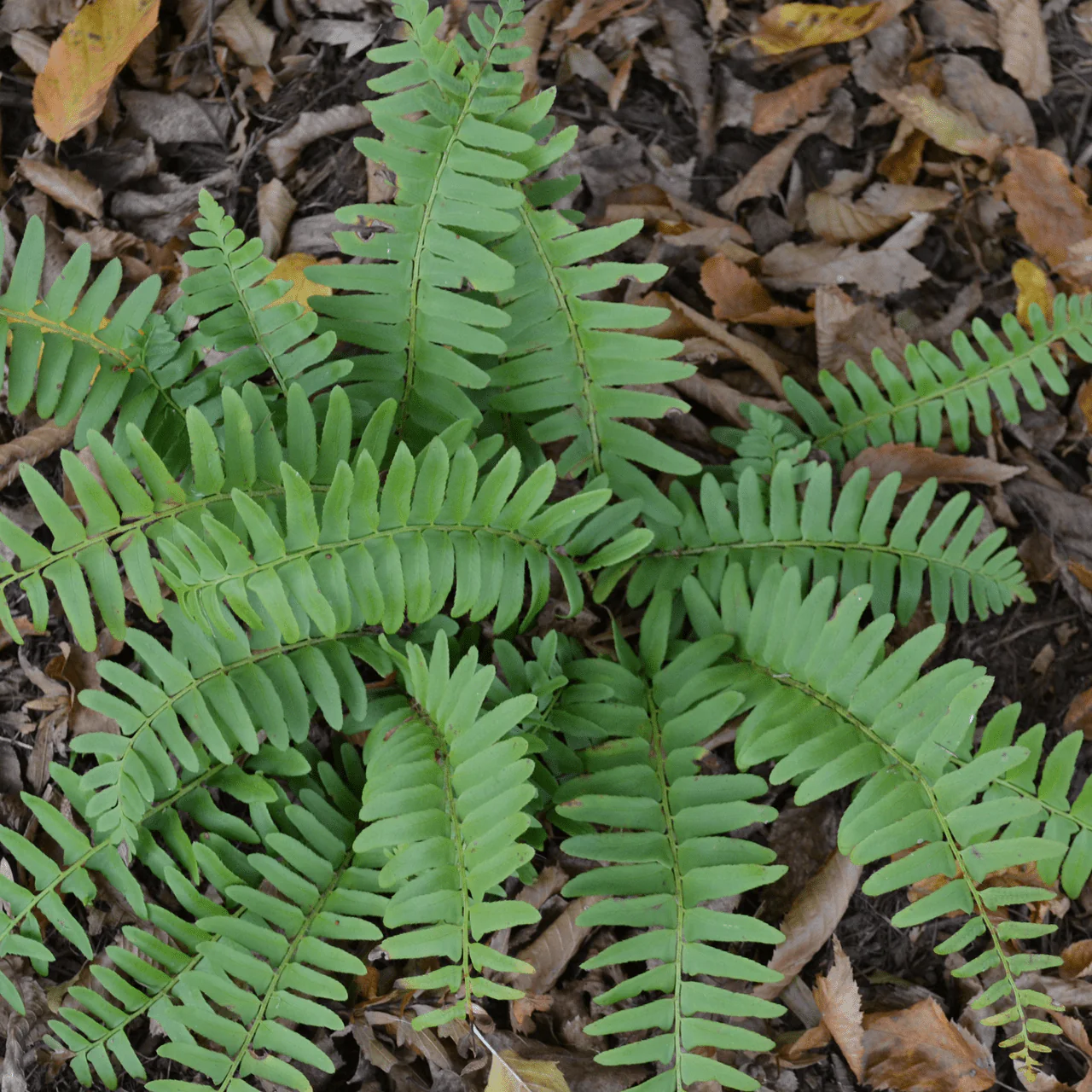
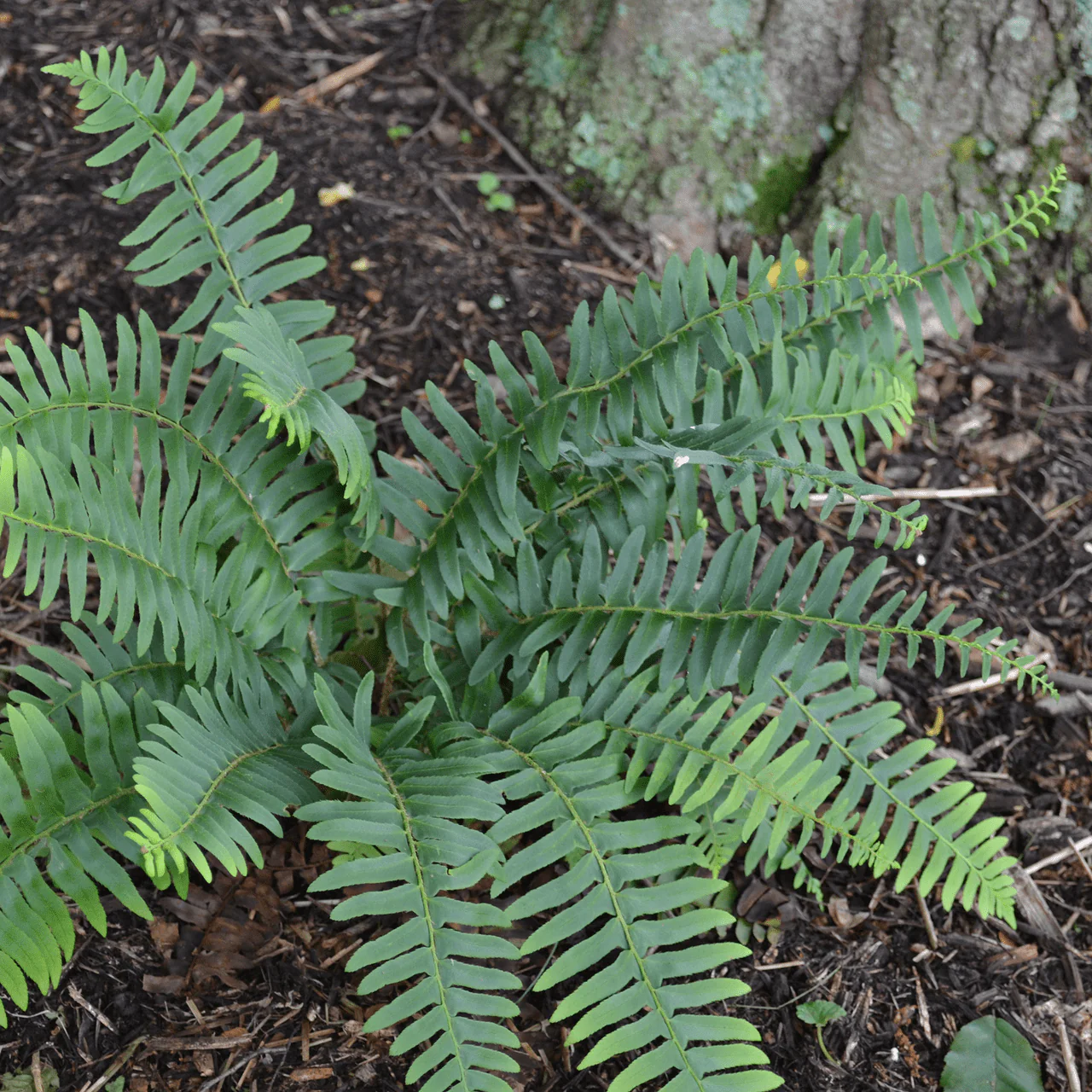
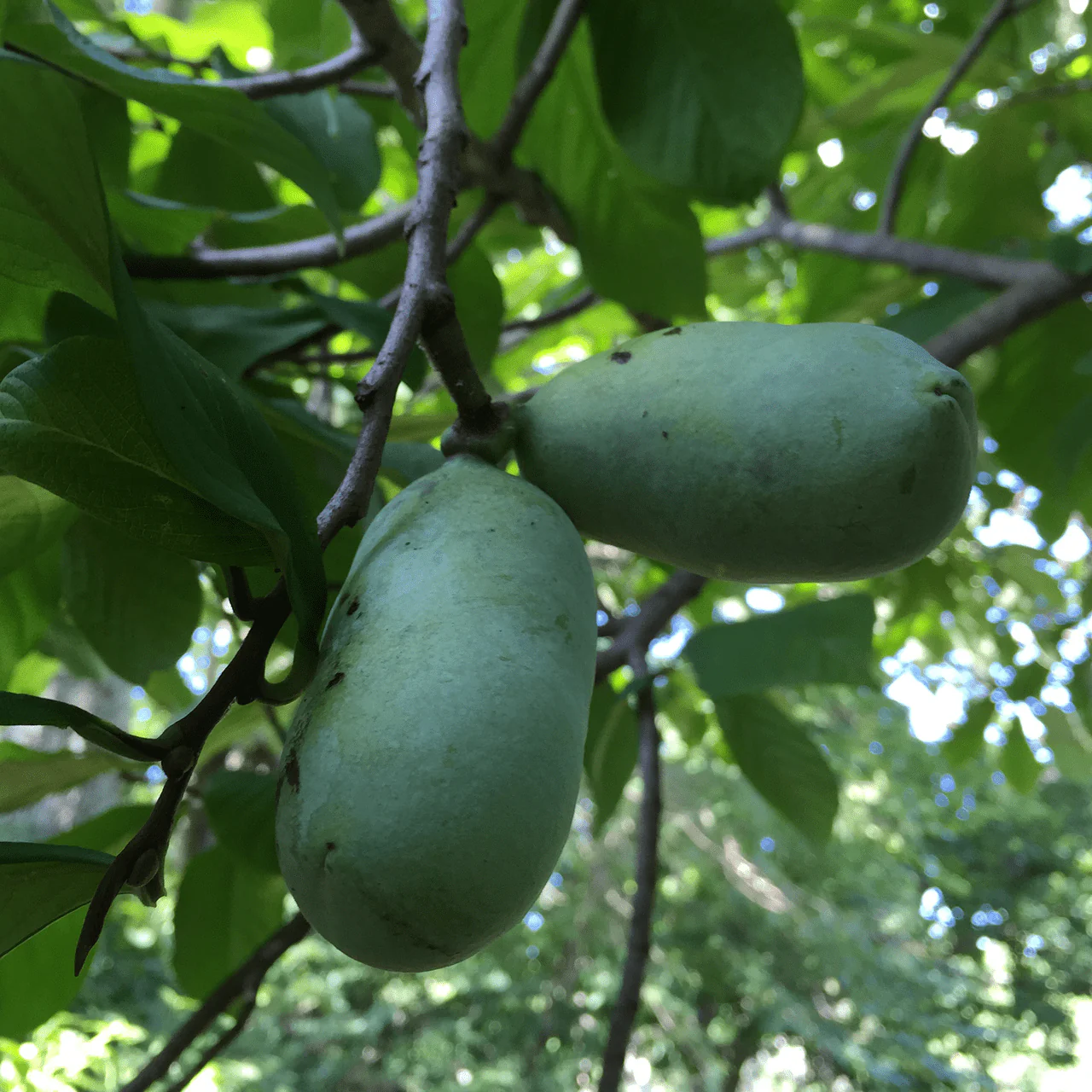
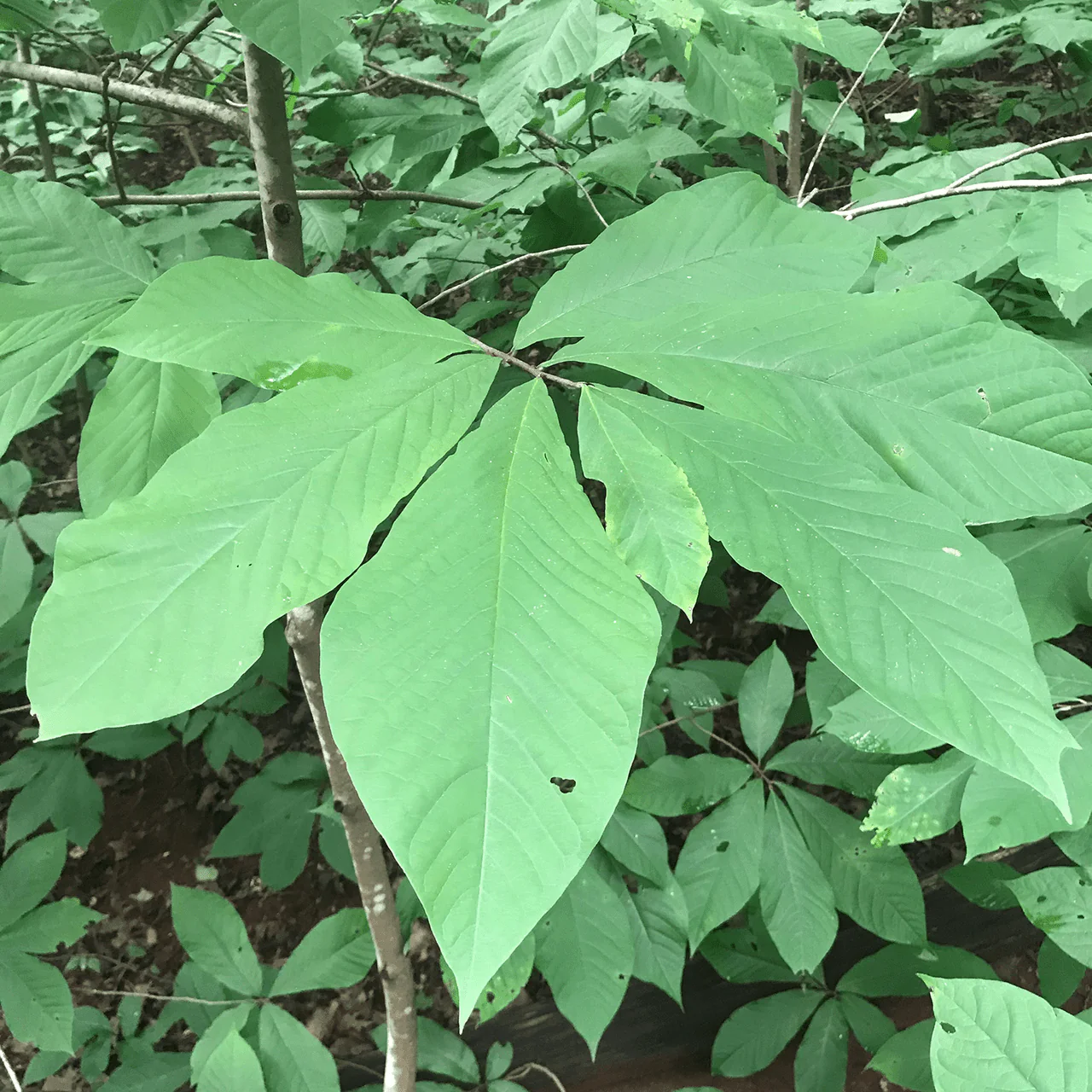
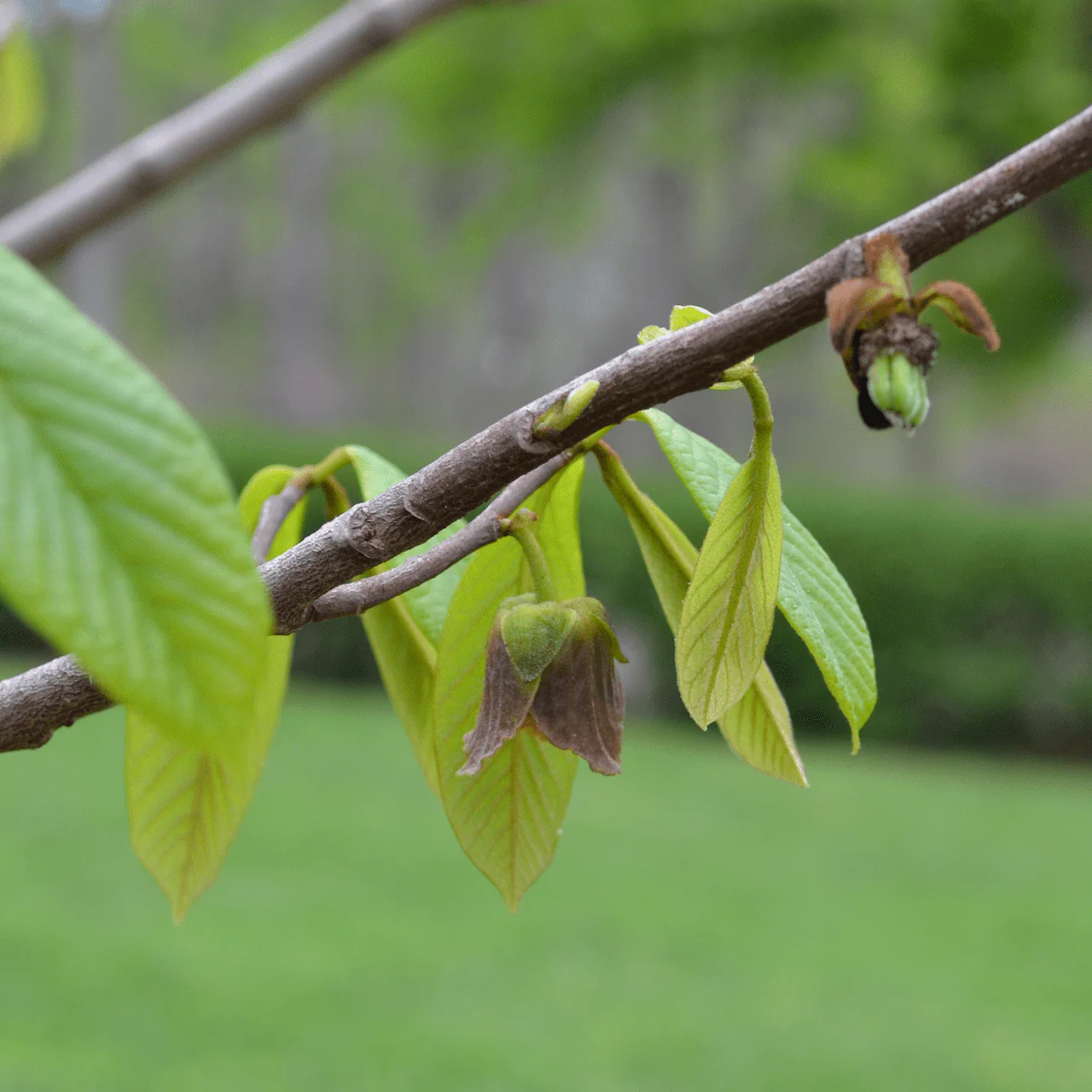
Description: Curious, brownish-red flowers in spring and large, sweet, aromatic fruits in fall; large, tropical leaves turn yellow in fall
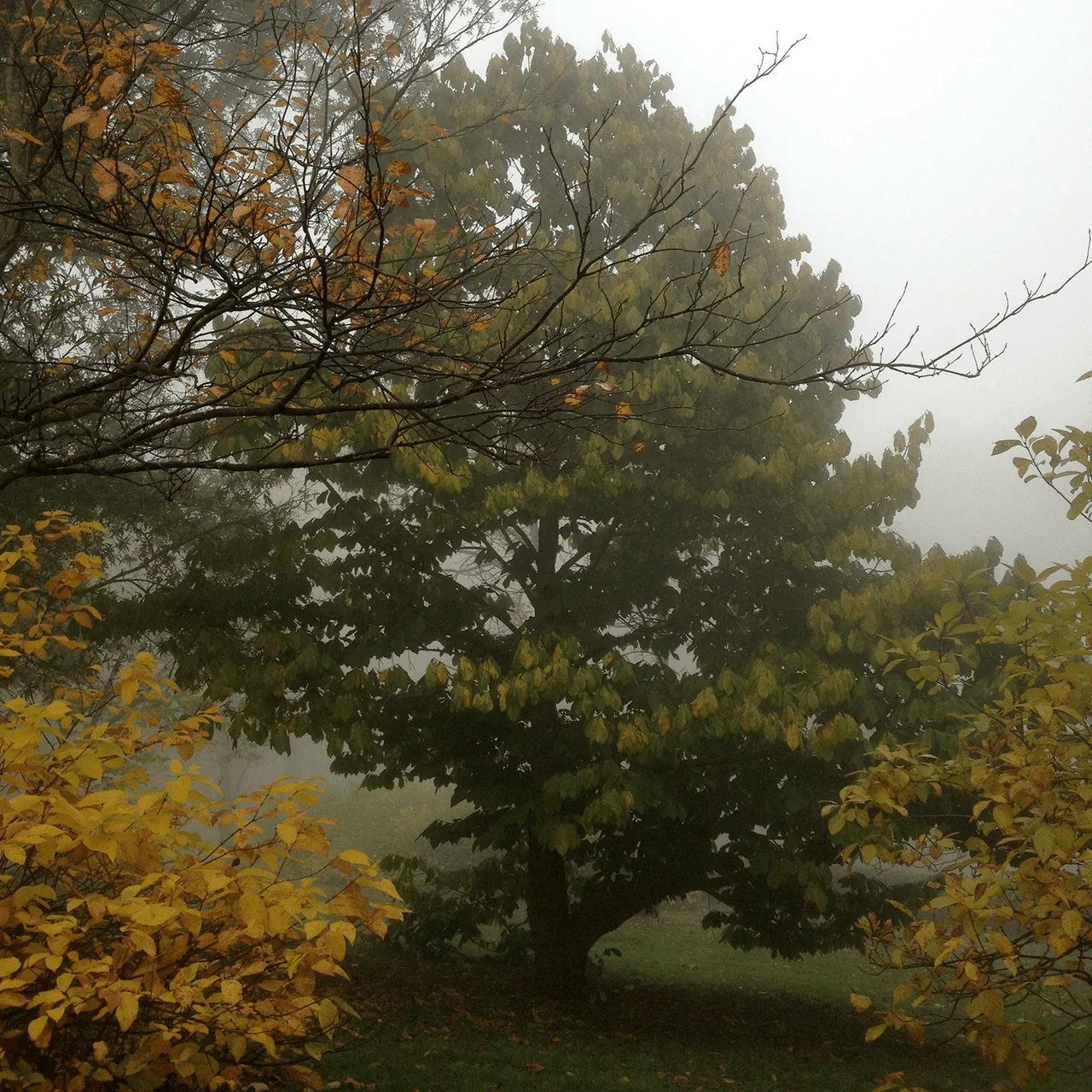
Habit: Grows 15 to 20 feet high and spreads by underground runners to 30 feet, forming colonies
Culture: Prefers moist, fertile, deep, slightly acid soils, does well in full sun but often grows in deep, moist shade
Hardiness: USDA Zones 5 through 8
Origin: United States
Attributes: Edible fruit; Deer resistant; Fall color; Rain garden
Jefferson-documented
The Pawpaw is native from New York to Florida and west to Nebraska and Texas, and is most common in the forests of the Mississippi River valley. British patron Peter Collinson was the first to cultivate it in England and the Pawpaw was illustrated by Mark Catesby in his Natural History of Carolina, Florida, and the Bahama Islands (1771). Quaker botanist John Bartram also grew Pawpaws in his garden near Philadelphia and Thomas Jefferson listed it as an ornamental native in his Notes on the State of Virginia (1782).
This species requires more than one genetically-distinct plant for cross-pollination and fruit set. Our Pawpaws are grown from seed, which naturally produce genetically-distinct plants.
This plant will ship bare root. Approximately 10-18” tall.
Bare root planting tips:
~ If you can't plant immediately, store your plant in a cool location and keep the roots moist or pot in a container with a nursery potting mix from your local garden center.
~ Before planting, let the roots soak for several hours as you prepare the site. You'll want to dig a large enough hole so the root mass can spread out and the plant is at the same soil level as when it was growing in the nursery.
~ Once planted, water it in well and wait a month before fertilizing. Mulching will help to maintain moisture and raise soil temperatures for faster growth.
Product Information
Product Information
Shipping & Returns
Shipping & Returns
Description
North American large shrub or small deciduous tree
Description: Curious, brownish-red flowers in spring and large, sweet, aromatic fruits in fall; large, tropical leaves turn yellow in fall
Habit: Grows 15 to 20 feet high and spreads by underground runners to 30 feet, forming colonies
Culture: Prefers moist, fertile, deep, slightly acid soils, does well in full sun but often grows in deep, moist shade
Hardiness: USDA Zones 5 through 8
Origin: United States
Attributes: Edible fruit; Deer resistant; Fall color; Rain garden
Jefferson-documented
The Pawpaw is native from New York to Florida and west to Nebraska and Texas, and is most common in the forests of the Mississippi River valley. British patron Peter Collinson was the first to cultivate it in England and the Pawpaw was illustrated by Mark Catesby in his Natural History of Carolina, Florida, and the Bahama Islands (1771). Quaker botanist John Bartram also grew Pawpaws in his garden near Philadelphia and Thomas Jefferson listed it as an ornamental native in his Notes on the State of Virginia (1782).
This species requires more than one genetically-distinct plant for cross-pollination and fruit set. Our Pawpaws are grown from seed, which naturally produce genetically-distinct plants.
This plant will ship bare root. Approximately 10-18” tall.
Bare root planting tips:
~ If you can't plant immediately, store your plant in a cool location and keep the roots moist or pot in a container with a nursery potting mix from your local garden center.
~ Before planting, let the roots soak for several hours as you prepare the site. You'll want to dig a large enough hole so the root mass can spread out and the plant is at the same soil level as when it was growing in the nursery.
~ Once planted, water it in well and wait a month before fertilizing. Mulching will help to maintain moisture and raise soil temperatures for faster growth.